
What is an ADU, and why is Connecticut making it easier to build one?
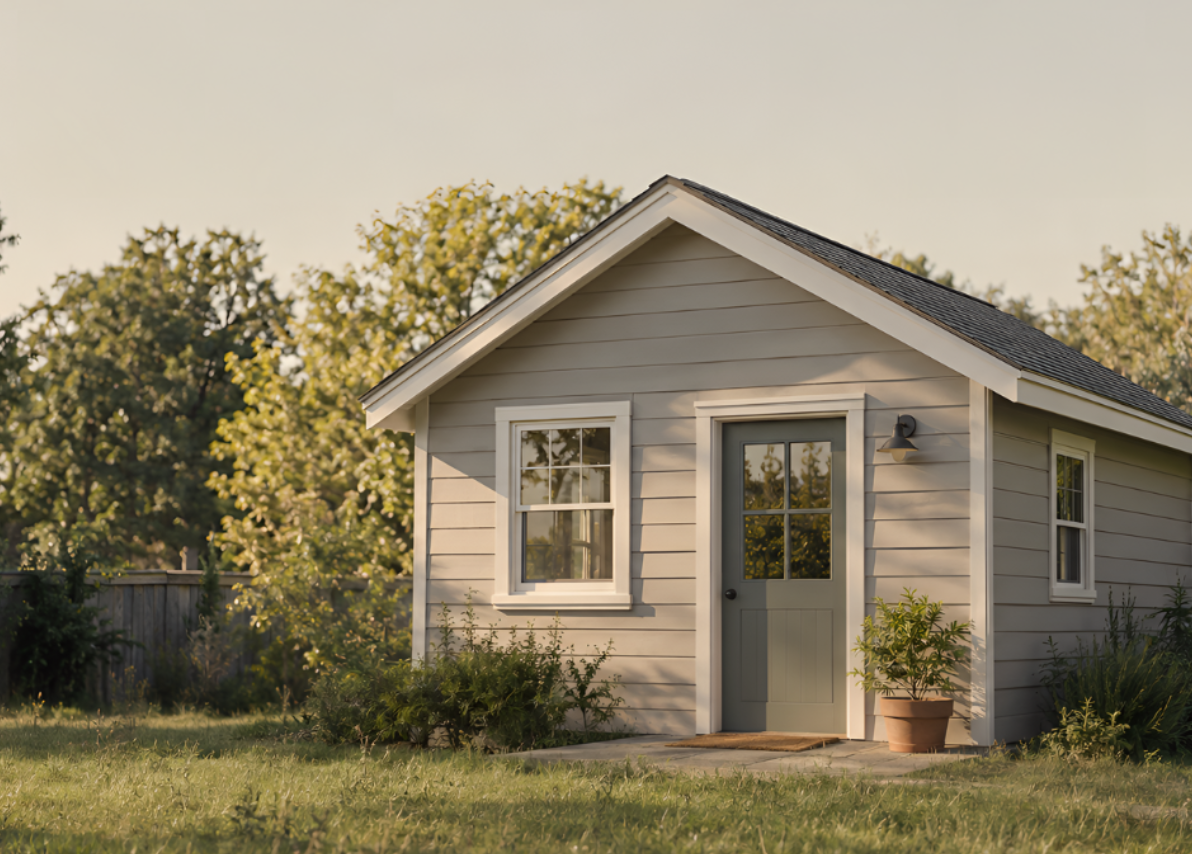
- Connecticut just made it easier to add a small second home to your property without selling or moving.
- As of October 1, a new law removed one of the biggest cost barriers. Towns can no longer charge new utility hookup fees for an accessory dwelling unit.
- Every CT town allows an ADU in some form. The real question is whether you get an automatic yes or a hearing, and most towns, Guilford confirmed among them, opted out of the automatic approval.
- A bigger bill that would have ended the opt-out for every town died in committee this spring, so the rules still depend on where you live.
- If you are not ready to sell, a unit like this can mean rental income, space for a parent, or room for one of your kids, without giving up the house.
What is an ADU, and why is Connecticut making it easier to build one?
An accessory dwelling unit, or ADU, is a smaller living space on the same lot as your main house. It could be a finished basement with its own entrance, an apartment over the garage, or a small detached cottage in the backyard. Connecticut has been trying to make these easier to build for a few years now. The state does not have enough housing, and a lot of homeowners are sitting on land or square footage that could support one.
What actually changed on October 1?
Public Act 26-7 took effect October 1, 2026. Before this, a town could treat a new ADU like a brand new house for utility purposes, which meant a new connection fee and sometimes a whole separate utility account. That is gone now. Towns cannot charge a new connection fee for an ADU or require a separate utility account, unless the ADU is being built alongside a brand new primary home. The law also gives towns 65 days to decide on an application, and it blocks a few other common requirements, like a second exterior door or fire sprinklers the main house does not already have.
Utility hookup costs have quietly been one of the reasons an ADU stays a good idea on paper and never actually gets built.
Does my town actually allow an ADU as of right?
Here is where it is worth being precise about what the word allow really means. Every Shoreline town allows an ADU in some form. What differs is whether you get an automatic yes or a hearing. Back in 2021, Connecticut passed a law letting homeowners build an ADU without a variance or a public hearing, as long as it meets certain size rules, generally 30 percent of the main home's size or 1,000 square feet, whichever is smaller. Towns were allowed to opt out of that automatic approval, and statewide, more than two in three did.
Guilford is a confirmed example. Its own zoning chair told a 2022 regional planning meeting the town would opt out, specifically to keep that decision at the local level.
Opting out does not mean no. It means your own town's zoning board decides instead of the state, usually after a hearing, under your town's own size and parking rules rather than the state's.
Rules like this get adjusted town by town, which is exactly why I would never guess what your specific town requires. If you are seriously considering this, reach out and I will find out exactly where your town stands before you spend a dollar on plans.
What happened to the bigger ADU bill?
There was a bigger bill this session, House Bill 5507, that would have ended the opt out everywhere and forced every town to allow ADUs as of right. It stalled in the Appropriations Committee in April and never came up for a vote. So for now, the patchwork stays. Some towns make this easy. Most still do not.
Is building an ADU actually a smart alternative to selling?
For some people, yes. If you like where you live, but the house itself has gotten too big for how you actually use it now, a unit like this lets you change your situation without changing your address. Rent it out and it covers part of your taxes or your mortgage. Move a parent in and you get to actually see them instead of driving across town. Let one of your kids live there for a while and you are not handing them a lease you cosigned.
Joe and I are actually looking to buy a home with the potential for an ADU ourselves. We know units like this are needed around here, and they would suit a lot of the families we work with. It's part of why this new law caught my attention before it ever showed up in my inbox as news.
What should you check before you start planning one?
- Call your town's Planning and Zoning office and ask whether your town opted out of the 2021 law, and what that means for your specific lot.
- Check the size limit for your property. It is usually 30 percent of your home's size or 1,000 square feet, whichever is smaller.
- Talk to your insurance agent and your tax advisor about how an ADU affects your premium and your assessment before you build, not after.
- If you plan to rent it out, decide now whether you want a long-term tenant or a family member living there, because that changes the paperwork and the conversation later.
If you are weighing this against selling, or you just want to know what is actually possible on your own property, reach out and we can walk through it together.
Zoning rules vary by town and change over time. This is general information, not legal advice. Confirm current rules with your town's Planning and Zoning office, or a land use attorney, before making any decisions.

Kim Dawson is a licensed Connecticut real estate agent and investor with Coastal Connecticut Homes at Real Broker, serving the Shoreline, including New Haven, Middlesex, and New London Counties. A North Branford native, she works with homeowners through every kind of move: families relocating from New York, households upsizing to bring multiple generations under one roof, and people in their later years navigating downsizing and life transitions. She and her husband Joe also renovate and hold investment properties on the Shoreline, including multi-unit homes.
Recent Posts







GET MORE INFORMATION