

What to Fix and What to Leave Alone Before You Sell in Connecticut
The Next Chapter: real answers for homeowners navigating their next move.
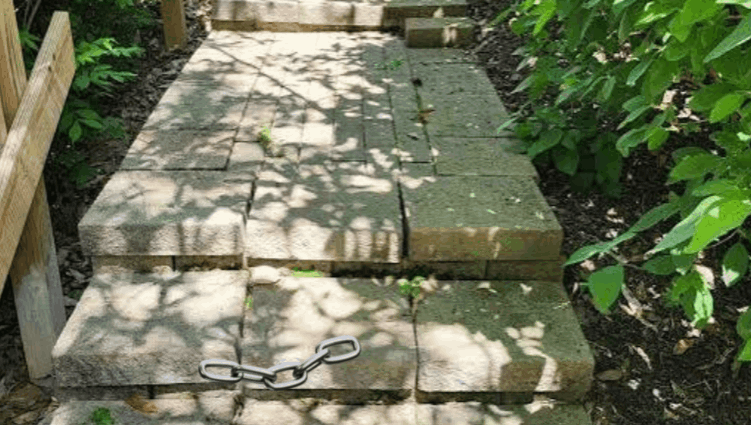
Most sellers spend money in the wrong places. They redo a kitchen and miss a wobbly front step. This guide sorts a house into four piles: fix, clean, leave, and disclose. It covers what a buyer's inspector and lender actually care about, what Connecticut requires you to hand a buyer, which upgrades pay back at resale and which don't, and a one-page sheet you can print and use room by room.
Save this: The sorting test is three questions. Does it leak? Does it break or stop working? Would it worry an inspector or a lender? If the answer to any of them is yes, fix it. If it's only dated or not to your taste, clean it and leave it. Whatever you know about, disclose.
What is the rule for deciding what to fix before you sell?
Ask the same three questions of every room.
- Does it leak? Water is the one thing buyers walk away from fastest.
- Does it break or stop working? Steps, railings, heat, locks, anything a buyer will touch in the first ten minutes.
- Would it worry an inspector or a lender? Anything that shows up on an inspection report or could hold up a loan.
A yes to any of these goes on the fix list. Everything else is a question of taste, and taste belongs to the next owner. They are going to put their own stamp on the house anyway.
What should you fix first?
In roughly this order:
- Water problems. Active leaks, a broken sewer line, a roof that's failing, a basement that takes on water. If you can't fully fix one, you can still disclose it and price for it. More on that below.
- Safety and function. Loose or broken steps and railings, electrical hazards, a heating system that doesn't run.
- Things that can hold up a loan. Damaged window screens can be a problem for FHA buyers. On an older home, chipping or peeling paint can be one too. Ask your agent or lender before the photos.
- The small things buyers notice in the first minute. A damaged fascia board, a cracked front step, a ceiling patch nobody painted, a vanity drawer that sticks.
Here is a real prep list from a 1950s house I'm getting ready to list on the Shoreline (details changed). Nine items: replace the broken window screens, fix the front fascia board a woodpecker had been working on, repair the front steps, power wash the deck, patch and paint one bedroom ceiling, fix a bathroom vanity drawer, get the furnace serviced and tagged, test the sump pump, and run a dehumidifier in the basement. No kitchen. No flooring. No windows.
What should you test or service before you list?
Do these before photos, and keep the paperwork.
- Furnace or boiler. Have a licensed company service it and tag it. A buyer's inspector will check the service date.
- Sump pump. Lift the float and make sure it runs.
- Basement humidity. Start a dehumidifier early. A musty basement puts buyers off faster than almost anything, and this is an easy fix.
- Well and septic. If you have either, pull your records: the last pump-out receipt, any water test. Buyers will test both.
- Radon. The state's condition report asks whether radon testing has been done, so know your answer.
What can you clean or paint instead of replacing?
More than you think.
- Stains. Find the cause first. Once the leak is fixed, paint over the stain with a stain-blocking primer such as Kilz.
- A small mold spot on a bathroom ceiling. Treat it with vinegar, not bleach, then prime and paint. If it keeps coming back or covers a large area, find the moisture source, and disclose it.
- Trim and baseboards. A magic eraser takes off more than you'd expect.
- Window air conditioners. Pull them out before photos and wipe the tape residue off the sills.
- Wallpaper, dated kitchens and baths, worn but sound flooring, original windows. Leave them, and get them very clean. A deep clean is some of the best money you'll spend.
Two real quotes from an older colonial I walked this fall (details changed). Replacing the kitchen linoleum came in at $4,100. Redoing the upstairs shower came in at $10,000 or more. My advice was to leave the floor and to ask the contractor for the smallest repair that stops the shower from leaking, not a new bathroom.

Which upgrades actually pay back at resale?
Fewer than most people think, and I wrote a separate guide on this: Before You Renovate… Read This. Here is the short version, using the 2026 Cost vs Value Report from Remodeling magazine. The figures span the two sets of numbers on the report's regional page, so treat them as ranges.
- Front door and garage door. A steel entry door costs about $2,400 to $2,500 and a new garage door about $4,300 to $4,700. Both recoup well over 100 percent of their cost.
- A light kitchen refresh. A midrange minor remodel, about $28,500 to $28,900, recoups about 113 to 134 percent.
- A major kitchen remodel. It costs more than $80,000, and about half comes back.
- Roofs and windows. Asphalt roofs recoup about 63 to 68 percent and vinyl windows about 71 to 76 percent. Buyers expect both to work, so replace them if an inspection will flag them, not because they'll pay you back dollar for dollar.
What do Connecticut sellers have to disclose?
Disclosure is part of the job, and it protects you.
- The Residential Property Condition Report. Connecticut sellers must give buyers the state's condition report before a buyer signs a purchase contract. If you don't, you owe the buyer a $500 credit at closing, and the credit doesn't erase what you know about the house. You answer yes, no, or unknown, to the best of your knowledge. You aren't required to hire experts to find problems.
- Lead paint. If the house was built before 1978, federal law requires a lead paint disclosure.
- Smoke and carbon monoxide detectors. Connecticut sellers of one- and two-family homes give the buyer an affidavit about working detectors, or credit the buyer $250 at closing. Check the current rule with your attorney.
- What stays and what goes. Make a list of anything attached to the house that you plan to take, like a ceiling fan, and note anything unusual that's staying, like a wood stove.
- Cameras. If you have a doorbell camera or a security system, say so, including whether it records audio.
The more you disclose, the better protected you are at closing. A problem you wrote down is a negotiation. A problem a buyer finds later is a dispute.
In what order should you do the work?
- Clear out and sort. Everything else is easier with the furniture and clutter gone.
- Repairs. Do the fix list while the rooms are empty.
- Paint. Touch up and cover stains once the repairs are done.
- Deep clean. Last, so it's fresh for photos and showings.
- Photos. Give your photographer a week or two of notice.
Leave one bed in each bedroom so I can stage them. Buyers have a hard time picturing a bed in an empty room, and I've watched people pull out tape measures to prove a king won't fit when it does.
If you're also weighing whether a move makes sense, Can You Afford to Downsize? The Stay or Move Math, Line by Line runs the numbers, and Is Your Zillow Estimate Lying to You? covers pricing. If you're clearing out a parent's home, What Happens to the House When a Parent Moves to Assisted Living? walks through that order.
Your sorting sheet
Print this and go room by room. For each problem, pick one: Fix, Clean, Leave, or Disclose.
| Situation | What to do |
|---|---|
| Active leak, wet basement, failing roof | Fix, then disclose the history |
| Broken screens, loose steps or railings, sticking doors | Fix |
| Damaged fascia, trim, or siding | Fix |
| Furnace or boiler not serviced in years | Service and tag |
| Sump pump | Test |
| Stain on a wall or ceiling | Fix the cause, prime, paint |
| Small mold spot | Treat, prime, paint, watch it, disclose |
| Musty basement | Dehumidifier now, disclose any seepage |
| Dated kitchen or baths | Leave, deep clean |
| Wallpaper | Leave |
| Worn but sound flooring | Leave, deep clean |
| Original windows | Leave, clean glass and trim, disclose the age |
| Window AC units, tape residue | Remove and wipe down |
| Something wrong you can't or won't fix | Disclose and price for it |
| Item | What's wrong | Fix / Clean / Leave / Disclose | Quote | Done |
|---|---|---|---|---|
I've walked sellers through this list, and the answer is almost always shorter than they feared.

Kim Dawson is a REALTOR® with Coastal Connecticut Homes, serving the Connecticut Shoreline. A North Branford native, she specializes in helping homeowners 50+ navigate downsizing, relocation, and major life transitions.
Kim Dawson REALTOR® 203.481.4605
If you'd like me to walk your house and tell you what I'd fix, clean, and leave alone, I'm glad to. No pressure, no obligation.
Recent Posts









GET MORE INFORMATION